How to Choose the Right Evening Desert Safari in Dubai
An evening desert safari in Dubai is one of those experiences that almost every visitor wants to try. The combination of dune bashing, sunset photography, a barbecue dinner, and entertainment like a belly dance show or henna painting is easy to picture. But once you start looking at the many tour options, the differences between them can feel confusing. Some trips focus on adventure, others on a relaxed evening with traditional food and sheesha smoking. Some are private, others run in large groups. Knowing what to look for helps you book the safari that fits what you actually want to do.
The first thing to understand is that the term "evening desert safari" covers a range of activities that happen over roughly four to six hours. Most start in the late afternoon with a pickup from your hotel or a meeting point, then head out to the desert for dune bashing. After the vehicle stops, there is usually time for sunset photography, followed by a drive to a desert camp. At the camp, guests get a barbecue dinner, live shows, and optional extras like camel rides and falconry displays. The order and quality of these elements vary by operator. A reliable source for understanding what a well-run evening safari looks like is the Classic Desert Safari official site.
Step 1: Decide What Matters Most to You
Before you compare tour companies, get clear on your own priorities. Ask yourself what you most want from the evening. Is it the thrill of dune bashing? A quiet spot for sunset photography? A chance to try henna painting or sheesha smoking? Or are you bringing children who need shorter activities and a menu they will eat? Your answers will narrow the choices quickly.
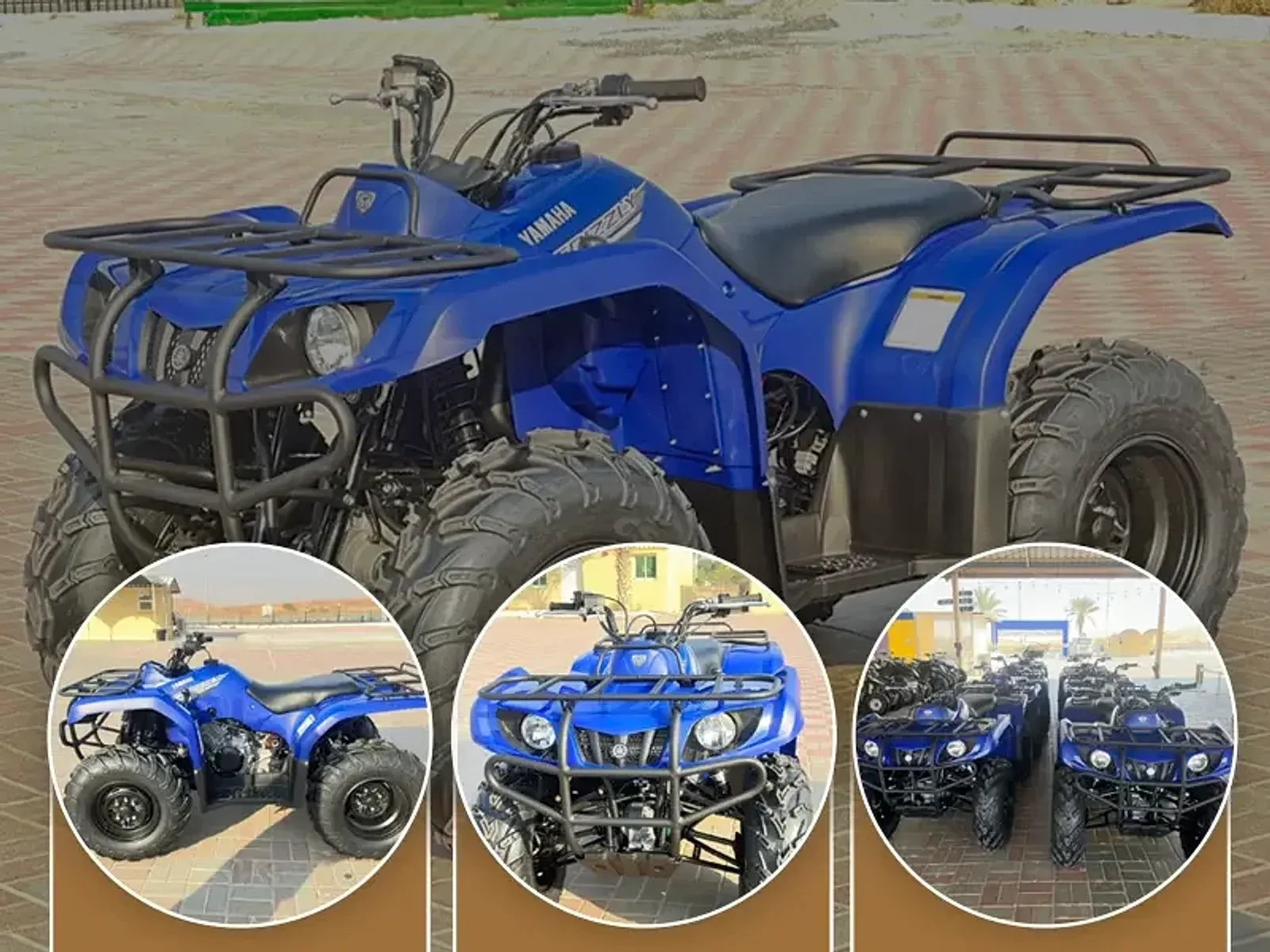
If adventure is your main reason, look for safaris that emphasise dune bashing with experienced drivers. Some tours run shorter, gentler dune rides that suit families, while others offer longer, more intense sessions over steeper dunes. Check whether the vehicle is a 4x4 and whether the driver is trained. A good operator will mention safety briefings and vehicle maintenance without being asked.
If culture and relaxation matter more, focus on the camp experience. Some camps are large and commercial, with buffet dinners and entertainment for a big crowd. Others are smaller and more intimate, offering traditional seating, quieter music, and higher-quality food. If you want a falconry display or a camel ride, confirm that these are included in the package and not priced separately.
Step 2: Check the Timing and Duration
An evening desert safari in Dubai typically starts between 3:00 pm and 4:00 pm and ends around 9:00 pm or 10:00 pm. The exact timing affects what you see. If you want sunset photography, you need to be at a good vantage point at the right moment. Some tours rush the dune bashing to get you to the camp before dark, leaving little time for photos. Others schedule a dedicated stop for sunset, which makes a big difference for anyone who enjoys photography.
Duration matters for another reason. A safari that runs six hours may include more activities, but it also means a later return. If you have children or an early start the next day, a shorter tour might be better. Read the itinerary carefully. Look for the times mentioned for each activity. If the schedule seems vague, that is a sign that the operator may change the plan based on the group size or the driver's preference.
Step 3: Review What Is Included in the Price
Tour prices vary widely. A budget safari might cover transport, dune bashing, a simple barbecue dinner, and water or soft drinks. A premium safari often includes extras like unlimited sheesha, henna painting, a dedicated photographer, or a private table. Some tours include only the camp entry and dinner, with dune bashing as an add-on. Others bundle everything together.
Always check what the price excludes. Pick-up and drop-off zones matter. Many operators charge extra for pickup from certain areas or for transfers after midnight. Drinks beyond water and tea may cost extra. Camel rides and falconry displays are sometimes free and sometimes charged per person. If you plan to smoke sheesha, confirm that it is included and that the flavours available suit your taste.
A good way to compare inclusions is to look at the official description of a well-regarded tour. The Classic Desert Safari official site lists the typical elements of an evening safari and gives you a benchmark for what a comprehensive package should contain.
Step 4: Read About the Camp and Its Facilities
The desert camp is where you spend most of your time after the dune bashing. Its quality affects your entire evening. Look for details about seating. Some camps offer floor cushions in a traditional Arabic style, while others have chairs and tables. If you have mobility issues, a camp with proper tables and chairs will be more comfortable. Check whether the camp has clean restrooms and shaded areas. In summer, air-conditioned sections matter a lot.

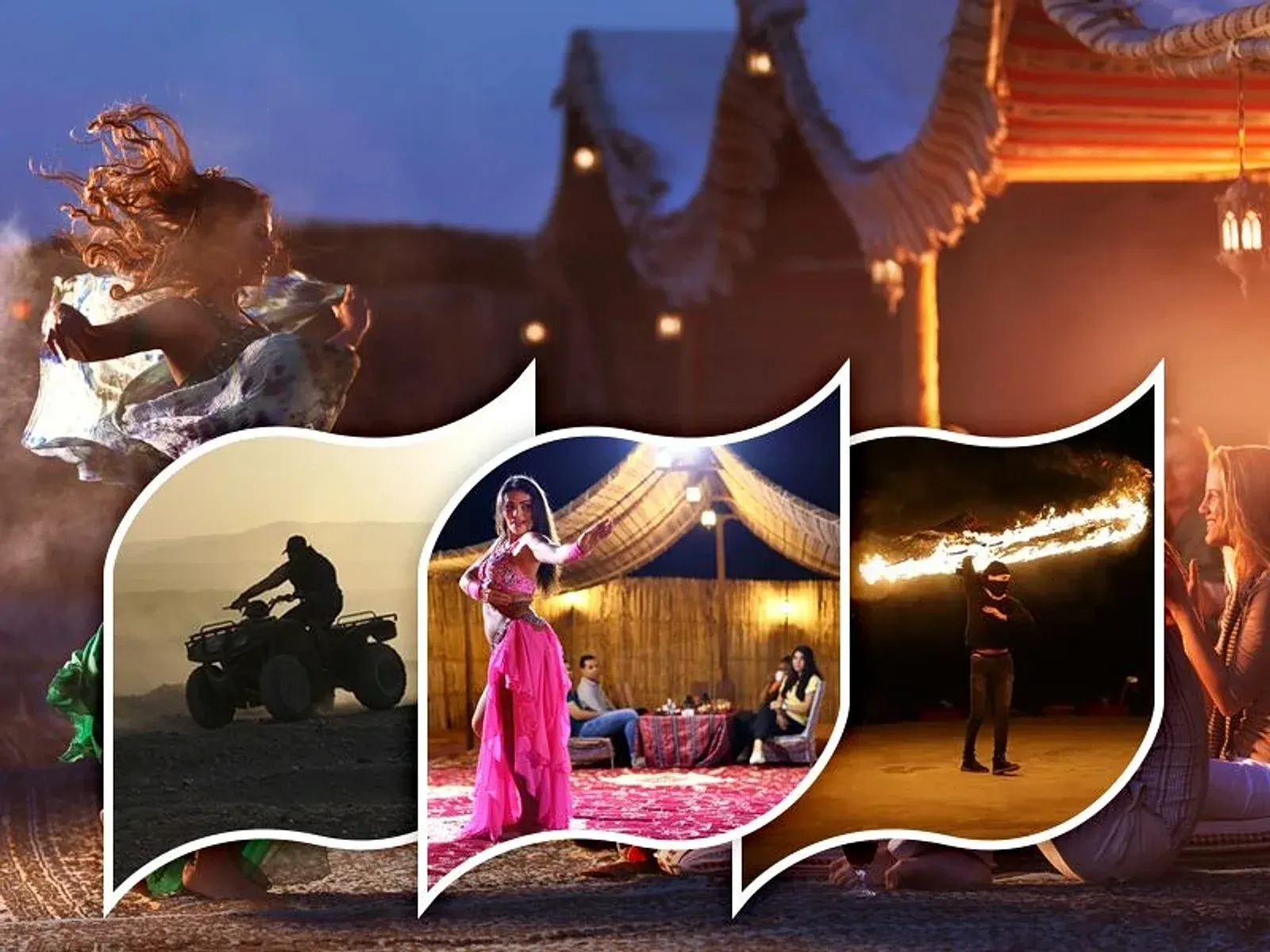
Entertainment varies. Most camps have a belly dance show and a tanoura dance display. Some also include a fire show or a falconry exhibition. Henna painting is common but may be a paid extra. Sheesha smoking areas are usually separate from the dining area. If you want a quieter experience, ask whether the camp has a family section or a designated area for guests who prefer less noise.
Step 5: Consider Group Size and Privacy
Group size directly affects the feel of the evening. Shared safaris can have 10 to 30 people in one vehicle and 50 to 100 guests at the camp. Private or small-group safaris keep the numbers low. If you want a more personal experience, look for tours that limit the group to six or eight people per vehicle. Some operators offer a private camp with a dedicated table and service. That option costs more but gives you control over the pace and the company.
If you are traveling with friends or family and want to stay together, a private vehicle makes sense. In a shared vehicle, you may be seated with strangers, and the driver cannot always adjust the route to your preferences. For couples, a small-group tour often strikes a good balance between value and intimacy. For solo travelers, the shared safari is a great way to meet people.
Step 6: Look at Reviews and Recent Photos
Online reviews are helpful, but they need careful reading. Focus on recent reviews, ideally from the past few months. Look for comments about the driver's skill during dune bashing, the quality of the food, and the cleanliness of the camp. Photos posted by real guests show the actual condition of the camp and the food. If the photos show a tired-looking camp or small portions, take that seriously.
Pay attention to how the operator responds to negative reviews. A company that addresses complaints politely and offers solutions is more likely to care about your experience. A string of unresolved complaints about late pickups, cold food, or rushed schedules is a clear warning.
Step 7: Book Through a Reputable Channel
Once you have chosen a safari, book through the operator's own website or a well-known booking platform. Third-party resellers sometimes offer a lower price, but they may not give accurate information about the tour details. If the operator changes the pickup time or the camp location, the reseller might not update you. Booking direct also makes it easier to ask questions before you pay.
Check the cancellation and refund policy. Some operators allow free cancellation up to 24 hours before the tour. Others charge a fee or offer only a credit for a future booking. If your travel plans are uncertain, a flexible policy is worth paying a little more for.
An evening desert safari in Dubai can be a highlight of your trip, but the right choice depends on matching the tour to your own preferences. By thinking through what you want, checking the details of the itinerary, and reading honest feedback, you avoid the disappointment of a generic experience and get an evening that feels personal and well-run.